


Why The 7th Step Prayer Is A Game-Changer In Alcoholics Anonymous
2nd Feb 2026
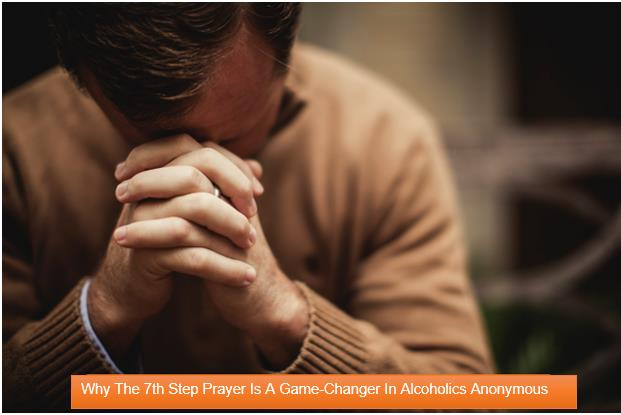
Table of Contents
- Introduction: Why the 7th Step Prayer Matters in Recovery
- Understanding Step Seven and Its Role in Alcoholics Anonymous
- The Spiritual and Emotional Meaning Behind the 7th Step Prayer
- Why the 7th Step Prayer Creates Real Change
- How to Practice the 7th Step Prayer in Daily Life How the 7th Step Prayer Differs From Other AA Prayers
- Conclusion: The Lasting Impact of the 7th Step Prayer
- Frequently Asked Questions
In Alcoholics Anonymous, recovery is more than simply stopping drinking; it is also about creating a new way to live your life both internally and externally. The Twelve Steps outline the order in which one works through recovery, from being out of control and full of self-destructive behaviours to being able to function as a person again, having a clear sense of direction and responsibility.
Although each of the Twelve Steps is significant in its own right, many people in recovery feel that Step 7 is key to their personal development. It allows people in recovery to take the awareness they have gained and apply it to their day-to-day lives. They can develop an attitude of humility through this process.
The 7th Step Prayer is a unique aspect of the AA journey, as it addresses the barriers that prevent so many individuals from progressing in their recovery. Specifically, it allows individuals to acknowledge their character flaws and, rather than feeling a sense of judgment, let go of anything that no longer helps their recovery.
Here is an exploration of why the prayer is such a powerful turning point and how it works within Alcoholics Anonymous.
Understanding Step Seven and Its Role in Alcoholics Anonymous

Step Seven follows deep, and often uncomfortable, self-examination. By the time an individual has progressed to Step Seven in their recovery process, they have already conducted a moral inventory of their behaviour, acknowledged their transgressions, and expressed their desire to be relieved of them.
It is in this stage of their process that they find meaning in the 7th Step Prayer. Step Seven builds on the earlier steps by encouraging humility and the acceptance that true change cannot come from willpower alone.
Humility in Alcoholics Anonymous does not mean being in a defeated position. Rather, it implies honesty and a desire for personal growth. During Step Seven, one is encouraged to realize that the defects that have built up over the course of the character's life will not simply clear up overnight.
By delving into the 7th Step Prayer meaning, one comes to realize that it does not necessarily address perfection but rather significant growth. This step also represents a shift away from control.
Instead of rolling with the process through hard work or intimidation, people place their trust in the recovery process. That, of course, promotes stability, especially through periods of irritation, ambiguity, or self-doubt, allowing growth to resume its organic course.
The Spiritual and Emotional Meaning Behind the 7th Step Prayer
The AA 7th Step Prayer is simple in its wording, yet deeply profound in its effect. The beginning part of that prayer is about the willingness to present strengths and weaknesses to a Higher Power.
One cannot achieve growth without honesty about the whole self, balanced. It is this balance that makes the prayer emotionally grounding. It does not dwell solely on flaws; it also acknowledges goodness.
Emotionally, the prayer reduces guilt. Lots of people in recovery have years of guilt connected with what they did while drinking. Step Seven frames defects as changeable patterns instead of permanent labels. This way of thinking fosters self-compassion, which serves long-term sobriety much better than self-criticism ever could.
Spiritually, too, the prayer reinforces connection: whether someone defines their Higher Power as God, collective wisdom, or spiritual principles, asking for help strengthens that relationship.
Why the 7th Step Prayer Creates Real Change

Many people recognize their weaknesses or imperfections well before they change. Recognition, however, does not necessarily imply growth. It is the realization that Step Seven closes the awareness-to-change gap that sets in motion a major change. It changes knowledge into intention and intention into action through the power of prayer.
Through repeated practice of the 7th-Step Prayer, people begin to witness minute developments. Emotions become less overwhelming, and reactions lose their intensity. This change is not immediate. However, these minute developments gradually build up. Repetitive practice teaches people to be patient because change is a slow, steady part of life.
This step likewise influences an individual's attitude towards themselves. Now, instead of clashing with one's defects, one becomes accustomed to viewing them. This minimizes conflicts within an individual; such conflicts often lead to relapse. Relieving emotional distress within an individual creates a greater sense of stability in sobriety.
How to Practice the 7th Step Prayer in Daily Life
Many people ask, "How to practice the 7th Step Prayer daily", especially once formal step work is complete. The answer lies in consistency rather than complexity. Daily practice does not require long rituals or perfect conditions. It requires willingness and presence.
Some people begin each day by quietly reciting the prayer to set an intention. Others return to it during stressful moments, allowing the words to create a pause before reacting. Over time, the prayer becomes internalized. It shapes decision-making, communication, and emotional responses without conscious effort.
Daily practice also strengthens accountability. As people repeat the prayer, they become more aware of their behaviours. This awareness supports honesty with sponsors, peers, and oneself. The prayer becomes less about asking and more about living differently.
How the 7th Step Prayer Differs From Other AA Prayers

Alcoholics Anonymous contains many well-known prayers. Each of these serves to aid recovery in different ways. Though Alcoholics Anonymous is known for its Serenity Prayer and Third Step Prayer that focus on surrendering the will, Step Seven is about change.
The 7th-Step Prayer is distinct because it directly addresses character defects rather than situations. It does not ask that conditions be improved; instead, it asks that progress be made despite them.
The reason this prayer is beneficial in long-term sobriety is that internal conditions often matter more than external circumstances. By re-reading this prayer, individuals will reinforce the idea that recovery is an ongoing growth process.
The 7th Step Prayer is the catalyst for its title because, through this step, people discover that recovery is not about self-change, but about spiritual growth. This is because this step teaches people humility without guilt, accountability without consequences, and change without force. Through this step, people open themselves up to real emotional freedom.
When practiced regularly, the prayer reshapes how people think, feel, and respond to life. It becomes less about removing flaws but more about becoming open to growth. In that openness, many find peace, stability, and a deeper sense of purpose.
Frequently Asked Questions
1. What is the main purpose of the 7th Step Prayer?
The prayer helps an individual humbly seek help to eliminate character defects and focus on growth rather than perfection at any given time.
2. Do I need to believe in a specific religion to use the prayer?
No. AA teaches the need for a personal idea of a Higher Power. The method is effective irrespective of faith.
3. How often should I say the 7th Step Prayer?
While many repeat the sentence daily, others repeat it while facing difficult times. Consistency is what is important, not frequency.